Albania
 Bosnia and Herzegovina
 Bulgaria
 Croatia
 Cyprus
 Czech Republic
 Denmark
 Estonia
 Germany
 Hungary
 Italy
Italy
 Kosovo
 Lithuania
 Latvia
 Luxembourg
 Macedonia
 Montenegro
 Poland
 Portugal
 Romania
 Serbia
 Slovakia
 Slovenia
 Spain
Spain
 Switzerland
 Sweden
 Turkey
 Ukraine
 United Kingdom
 UAE
UAE
 Hong Kong
 Kuwait
 Lebanon
 South Africa



Introduction
As parents, we all want the best for our children, especially when it comes to their health. Advances in medical science have opened doors that were once unimaginable, and one of the most exciting opportunities is newborn baby stem cell storage. By preserving these tiny yet powerful cells, parents can give their children a safeguard against certain diseases and a chance for future treatments. In this guide, we’ll talk about umbilical cord stem cells preservation, the differences between placenta vs umbilical cord, and the potential of embryonic stem cells in medicine all in a way that’s easy to understand.
What Are Stem Cells?
Stem cells are like the body’s repair toolkit. They can develop into different types of cells, helping replace damaged tissue and support the immune system. There are several kinds, but the ones most relevant for new parents are found in the umbilical cord and placenta. Scientists are also researching embryonic stem cells in medicine, which are incredibly versatile and could be the key to treating serious conditions in the future.
Why Newborn Baby Stem Cell Storage Matters
Many parents ask: “Why should I consider newborn baby stem cell storage?” The answer is simple. Stem cells collected at birth are pristine, highly adaptable, and can be used in treatments for diseases such as leukemia, immune disorders, and certain genetic conditions. This isn’t just about treating illness, it’s about giving your child a biological safety net.
Through umbilical cord stem cells preservation, these cells are stored carefully in specialized facilities, ready to be used if ever needed. The process is quick, painless, and safe, which means your child doesn’t feel a thing while you secure their future.
Why Storing Your Baby’s Stem Cells Matters
When your baby is born, you’re faced with countless choices, but some can have an impact that lasts a lifetime. One of those choices is storing your baby’s stem cells. This isn’t just a precaution; it’s a way to actively protect your child’s future health.
Stem cells from the umbilical cord have been used in medicine for decades, helping treat more than 80 different conditions, from blood cancers to immune system disorders. These tiny cells are potent. Hematopoietic stem cells (HSCs) help regenerate blood and support the immune system, while mesenchymal stem cells (MSCs) show promise in repairing and regenerating tissues throughout the body. Scientists are still discovering new ways to use them, with exciting research exploring treatments for heart, lung, skin, digestive, orthopedic, and even neurological conditions.
By banking your baby’s stem cells, you’re not just storing biological material; you’re giving your child a potential lifeline for the future. It’s a small step today that could mean a world of difference tomorrow, offering peace of mind and a tangible way to protect their health.
Learn more about how stem cell banking can help your family by visiting our website and exploring our resources.
How Umbilical Cord Stem Cells Preservation Works
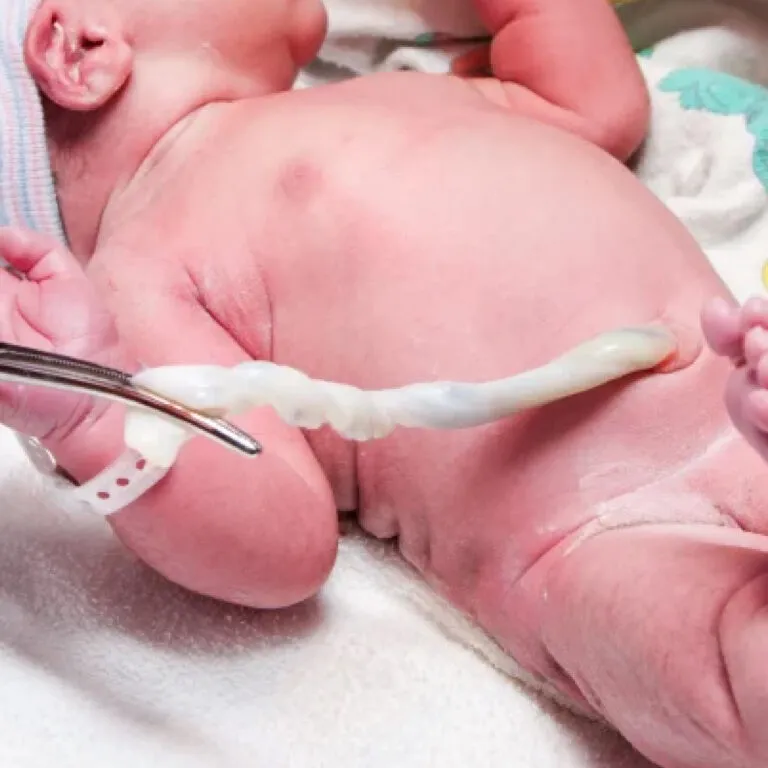
After your baby is born and the umbilical cord is clamped, doctors can collect the remaining blood from the cord. This blood is rich in stem cells that can generate blood and immune system cells. Some facilities may also collect cells from the placenta, depending on the chosen method. Once collected, the stem cells are processed, tested, and stored at extremely low temperatures to keep them viable for decades.
Thanks to umbilical cord stem cells preservation, you’re not just keeping cells, you’re investing in your child’s potential treatments for years to come.

Placenta vs Umbilical Cord: What’s the Difference?
When considering stem cell storage, parents often wonder about the placenta vs the umbilical cord. Both contain valuable stem cells, but they serve slightly different purposes. The umbilical cord is full of hematopoietic stem cells, which are excellent for blood-related treatments. The placenta contains a mix of stem cells, including mesenchymal ones, which can be helpful in regenerative medicine.
Understanding placenta vs umbilical cord helps you make an informed decision about your child’s future. Most families choose to store umbilical cord stem cells because the collection process is simpler and the cell count is higher, but the placenta can add extra benefits.
Embryonic Stem Cells in Medicine: Why They Matter
You might have heard the term embryonic stem cells in medicine in the news. These cells are unique because they can turn into almost any type of cell in the body. Researchers are studying them to treat conditions like spinal injuries, Parkinson’s, diabetes, and heart disease. While they raise some ethical debates, there’s no denying their potential.
Combined with umbilical cord stem cells preservation, embryonic stem cells in medicine show us just how far healthcare has come. Parents who invest in stem cell storage are giving their children access to this most developed science in the future.
Benefits of Newborn Baby Stem Cell Storage
Here’s why newborn baby stem cell storage is becoming more popular among parents:
- Reassurance for parents: Stem cells are safely stored, ready if your child ever requires them.
- Future Treatments: Medical research is moving fast, and stored stem cells might be useful for therapies not yet invented.
- Safe and Simple: The collection is painless for your baby and doesn’t interfere with delivery.
- Ethical and Reliable: Using cord blood avoids many controversies surrounding embryonic cells.
By choosing preservation of umbilical cord stem cells, you’re not just storing cells, you’re storing opportunities.
Common Misconceptions
Many myths surround stem cell banking. Let’s clear a few up:
- “Only sick children benefit.” Every child can benefit from newborn baby stem cell storage, whether currently healthy or not.
- “It’s risky or painful.” The process is completely safe and happens right after birth.
- “Placenta and cord blood are the same.” Understanding placenta vs umbilical cord shows that each source has unique advantages.
Addressing these myths helps parents make confident choices about the preservation of umbilical cord stem cells.
Choosing a Stem Cell Bank
Not all stem cell banks are created equal. Here’s what to look for:
- Accreditation and Standards: Make sure they follow strict safety protocols.
- Proper Storage: Cryogenic methods keep the cells viable for decades.
- Transparency: Fees, retrieval policies, and access should be clear.
A trusted bank ensures that your preservation of umbilical cord stem cells is done correctly, giving your child a lifelong resource. Remember, newborn baby stem cell storage is a long-term investment in health security.
Looking Ahead: The Future of Stem Cells
The future is bright for stem cell therapies. With embryonic stem cells in medicine and advanced cord blood treatments, we’re entering an era of personalized medicine. Newborn baby stem cell storage today could mean access to treatments that are only dreams right now. By understanding placenta vs umbilical cord, parents can make smart decisions that maximize the benefits for their children.
Conclusion
In short, newborn baby stem cell storage is more than a medical choice; it’s an investment in your child’s health and future. With umbilical cord stem cell preservation, you secure a resource that could save or dramatically improve a life. Coupled with the potential of embryonic stem cells in medicine and a clear understanding of placenta vs umbilical cord, you’re making an informed, forward-thinking decision.
Choosing stem cell storage today is choosing hope, security, and the opportunity for advanced treatments tomorrow. Newborn baby stem cell storage is one of the most proactive steps you can take as a parent, and it’s easier than you think.
References:
https://www.ncbi.nlm.nih.gov/books/NBK223690
https://my.clevelandclinic.org/health/treatments/23981-cord-blood-banking
Rate this article: