Albania
 Bosnia and Herzegovina
 Bulgaria
 Croatia
 Cyprus
 Czech Republic
 Denmark
 Estonia
 Germany
 Hungary
 Italy
Italy
 Kosovo
 Lithuania
 Latvia
 Luxembourg
 Macedonia
 Montenegro
 Poland
 Portugal
 Romania
 Serbia
 Slovakia
 Slovenia
 Spain
Spain
 Switzerland
 Sweden
 Turkey
 Ukraine
 United Kingdom
 UAE
UAE
 Hong Kong
 Kuwait
 Lebanon
 South Africa


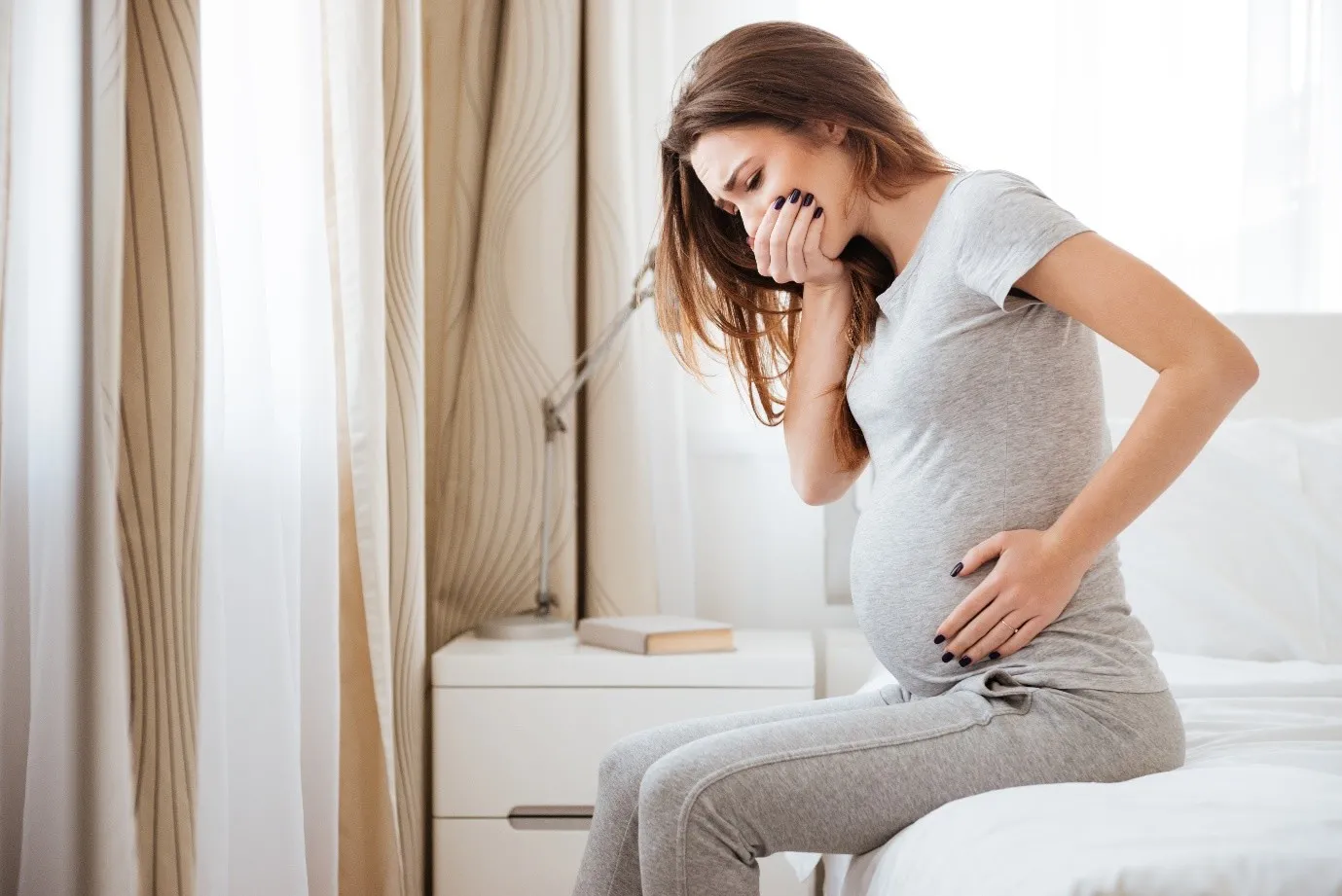
Becoming a mother is a moment filled with love, hope, and a quiet kind of bravery. Many women describe the early days of pregnancy as a beautiful mix of excitement and vulnerability—wondering what’s changing inside their bodies, what to expect next, and how soon they might notice the very first symptoms.
Understanding what are the early signs of pregnancy can bring peace of mind during this time of waiting. While every woman’s journey is unique, knowing what to look for can help you feel more connected, more confident, and more supported as you take your first steps into motherhood.
Below, we’ll explore the earliest physical, emotional, and hormonal changes—explained simply, gently, and with the clarity and care every expecting parent deserves.
How Do Hormonal Changes Trigger the First Signs of Pregnancy?
The Role of hCG in Early Pregnancy Symptoms
From the moment an embryo implants in the uterus—usually 6–12 days after ovulation—the body begins producing human chorionic gonadotropin (hCG). This hormone is one of the earliest biological markers of pregnancy.
hCG influences many early symptoms mothers feel:
- Nausea and queasiness, sometimes before a missed period
- More frequent urination, because hCG increases blood flow to the kidneys
- Fatigue, as the body redirects energy to support the growing embryo
For many women, these feelings are subtle whispers at first—easy to confuse with stress, PMS, or simply a long day. But to those who are watching closely, these tender shifts can be the first hint that something extraordinary is beginning.
How Progesterone and Estrogen Shape Early Body Changes
Progesterone and estrogen rise rapidly in early pregnancy. These hormones help protect the pregnancy, but they also create noticeable changes:
- Breast tenderness or fullness
- Mood changes—feeling extra sensitive, emotional, or introspective
- Digestive changes, like slower digestion, bloating, or constipation
- A slight increase in body temperature, especially noticeable in women tracking basal body temperature
These symptoms can feel surprising, but they’re a sign that your body is already nurturing your baby with care.
Why Hormone Levels Differ Between Individuals
Every woman’s hormonal patterns are unique. Genetics, metabolism, lifestyle, and overall health influence how quickly and intensely symptoms appear. Some expecting mothers feel early changes clearly. Others notice almost nothing until after a missed period—and both experiences are completely normal.
What Subtle Bodily Changes Often Go Unnoticed in Early Pregnancy?
Minor Physical Sensations You Might Overlook
Many early signs are so soft that women often miss them. These may include:
- Gentle abdominal twinges or flutter-like sensations
- Bloating that feels like mild PMS
- Slight nausea or decreased appetite
- A feeling of warmth, especially at night
These early cues are easily overlooked in busy daily life.
Early Emotional or Cognitive Shifts
Hormones impact emotional well-being too. Some women experience:
- Increased sensitivity or irritability
- A sense of mental fogginess
- Heightened empathy or emotional depth
Emotions may feel stronger or closer to the surface, creating a sense of inward reflection.
Patterns Women Report in Retrospect
Many mothers later say, “I didn’t realize it then, but the signs were there.” Common reflections include:
- Needing more rest than usual
- Feeling unusually hungry (or not hungry at all)
- Sudden aversions to smells or foods
Around this time, some parents also begin exploring broader preparation topics—like maternity care plans, selecting a hospital, and understanding newborn options such as stem cell preservation. These conversations often happen naturally as families settle into their new reality.
How Reliable Are Early Pregnancy Symptoms Compared to Testing?
Why Symptoms Alone Can Be Misleading
Early symptoms often overlap with:
- PMS
- Stress
- Minor illnesses
- Hormonal fluctuations unrelated to pregnancy
This is why symptoms alone cannot confirm pregnancy.
When Symptoms Align Strongly With Pregnancy
Certain combinations make pregnancy more likely:
- Missed period + breast tenderness
- Nausea + heightened sense of smell
- Fatigue + increased urination
Still, these are not definitive signs.
Why a Test Remains the Only Confirmation
A pregnancy test—especially after a missed period—is the most reliable way to confirm pregnancy. Urine tests check hCG levels, while blood tests offer even earlier and more precise detection. When in doubt, testing is both safe and reassuring.
What Lifestyle Factors Can Influence the Intensity of Early Symptoms?
The Impact of Stress and Sleep on Symptom Severity
Stress hormones, especially cortisol, can amplify nausea, fatigue, and headaches. Sleep helps regulate hormonal balance, and poor rest can intensify early pregnancy symptoms.
How Diet and Nutrition Affect Nausea, Fatigue, and Cramping
Balanced blood sugar and hydration help reduce:
- Nausea
- Dizziness
- Irritability
- Early cramping
Vitamin deficiencies—such as iron or B-vitamins—can worsen fatigue.
Exercise and Its Role in Early Pregnancy Comfort
Light, regular movement supports circulation, reduces stress, and stabilizes energy levels. While intense workouts should be avoided without medical guidance, gentle activity often helps women feel more comfortable during early weeks.
How Do Early Pregnancy Signs Differ Between First-Time and Experienced Parents?
Why First Pregnancies May Present Differently
First-time mothers may be more alert to each new sensation, yet early body changes—like uterine stretching—can be slower and less noticeable.
How Subsequent Pregnancies Can Produce Faster or Clearer Symptoms
Women who have been pregnant before often experience:
- Faster breast changes
- More noticeable early bloating
- Stronger or earlier food aversions
This is partly due to the body’s “muscle memory” and hormonal responsiveness.
Psychological Factors Influencing Symptom Recognition
Experienced parents often recognize early signs based on familiarity. First-time mothers may question or second-guess symptoms simply because everything feels new.
How Do Early Pregnancy Signs Differ for People With Irregular Cycles?
Challenges Identifying Missed or Delayed Periods
For women with irregular cycles, predicting ovulation can feel like trying to read shifting waves. Because cycles vary month to month, a “missed” period may not be a clear indicator of pregnancy. This can make early recognition harder and sometimes emotionally stressful.
Ovulation may occur earlier or later than expected, which shifts the entire timeline of symptoms. Many women with irregular cycles rely on other clues besides their period to understand what’s happening in their bodies.
Which Symptoms Become More Important Than Cycle Timing
When timing is unclear, early signs such as:
- Unusual fatigue
- Morning nausea
- Breast tenderness
- Increased urination
…become more meaningful. These symptoms offer valuable information when cycle dates alone aren’t dependable.
When to Test if Your Cycle Is Not Regular
Healthcare providers usually recommend testing:
- 14–21 days after unprotected intercourse
- If strong early symptoms appear
- If the cycle extends beyond its longest typical length
For those with highly irregular cycles, a blood test may provide the earliest and most reliable confirmation.
How Early Pregnancy Symptoms Manifest in the First Trimester Week-by-Week
Week 2–3: Post-Ovulation Subtlety
During these early weeks, symptoms are gentle and easy to miss. Implantation may cause:
- Light spotting
- A pulling or tingling feeling in the lower abdomen
- Slight changes in appetite or mood
Most women don’t realize they’re pregnant yet—and that’s completely normal. The body is quietly preparing for something extraordinary.
Week 4: After a Missed Period
Around this time, pregnancy becomes more noticeable:
- Stronger breast tenderness
- A heavier feeling in the pelvis
- Early nausea
- Heightened sense of smell
For many expecting mothers, week 4 is the first moment they suspect pregnancy.
Week 5–6: Hormonal Peaks
hCG climbs rapidly now, often doubling every 48–72 hours. As a result:
- Nausea becomes more pronounced
- Fatigue deepens
- Emotional shifts intensify
- Mild cramps or bloating may continue
Although these changes can feel overwhelming, they’re all signs of a healthy early pregnancy. Many mothers describe this phase as a time of powerful connection—when the reality of new life truly begins to sink in.
How Can Medical Conditions Affect the Interpretation of Early Pregnancy Symptoms?
Conditions That Mimic Early Pregnancy Signs
Certain medical issues can cause symptoms that look like pregnancy, including:
- Thyroid disorders
- PCOS
- Gastrointestinal problems
- Hormonal imbalances
- Vitamin deficiencies
This is why medical guidance is essential when symptoms feel unusual or intense.
When Symptoms Require Medical Evaluation Regardless of Pregnancy Status
Seek medical care if you experience:
- Severe or worsening cramps
- Heavy or unusual bleeding
- Vomiting that prevents hydration
- Sharp pelvic pain
- Fainting or dizziness
Your safety comes first—always.
How Healthcare Providers Differentiate Pregnancy From Other Causes
Doctors may use:
- Blood tests to check hCG levels
- Hormone panels
- Medical history reviews
- Ultrasound, if appropriate
Their role is to support you with clarity, compassion, and accurate answers.
Frequently Asked Questions About What Are the Early Signs of Pregnancy
How Soon Do Pregnancy Symptoms Usually Begin to Show?
Some women notice changes as early as 6–10 days after ovulation, though most begin feeling symptoms around the time of a missed period. Both early and late symptom onset is normal.
Can a Person Sense Pregnancy Before Testing?
Yes—some mothers describe a “deep knowing,” while others notice subtle signs like fatigue, mood changes, or breast sensitivity. But only a pregnancy test can confirm.
Are Early Pregnancy Symptoms the Same for Everyone?
No. Symptoms vary widely and may differ between pregnancies for the same woman.
Can Stress Delay or Mask Early Pregnancy Symptoms?
Yes. Stress can influence hormonal balance and can both intensify or mask early symptoms.
Do All Women Experience Implantation Bleeding?
No. Only about one-third of women notice light spotting around implantation.
Are Extremely Strong Early Symptoms a Sign of Twins?
Possibly—but not necessarily. Strong symptoms can happen in any pregnancy. Only an ultrasound can confirm multiples.
Can parents also prepare for newborn health decisions during early pregnancy?
Yes—early pregnancy is when many families start exploring topics like choosing healthcare providers, planning the birth setting, and learning about options such as storing their baby’s cord blood or stem cells. It’s simply part of gathering information and preparing thoughtfully for the months ahead.
Conclusion: A Journey Begins With Understanding, Hope, and Care
Early pregnancy is a time filled with delicate changes—some clear, some subtle, and some that only make sense in hindsight. Whether you’re trying to conceive, hoping for answers, or simply learning more about your body, understanding these early symptoms can offer reassurance and a sense of empowerment.
Every sign your body gives you—every flutter, every wave of emotion, every shift in energy—is a reminder of the incredible journey ahead.
You’re not alone in this. With the right support, knowledge, and compassionate care, you can move forward with confidence and hope for your family’s future.
Rate this article: