Albania
 Bosnia and Herzegovina
 Bulgaria
 Croatia
 Cyprus
 Czech Republic
 Denmark
 Estonia
 Germany
 Hungary
 Italy
Italy
 Kosovo
 Lithuania
 Latvia
 Luxembourg
 Macedonia
 Montenegro
 Poland
 Portugal
 Romania
 Serbia
 Slovakia
 Slovenia
 Spain
Spain
 Switzerland
 Sweden
 Turkey
 Ukraine
 United Kingdom
 UAE
UAE
 Hong Kong
 Kuwait
 Lebanon
 South Africa


Introduction
Bringing a new baby home can feel both joyful and scary. Simple choices in the first days make a big difference. One of the easiest and most powerful things you can do is skin-to-skin contact. This short guide explains why skin-to-skin contact matters, how it links to cord blood care, and gentle tips for the fourth trimester. I wrote this in plain English, so it reads like a friend talking.
Why skin-to-skin contact matters right after birth
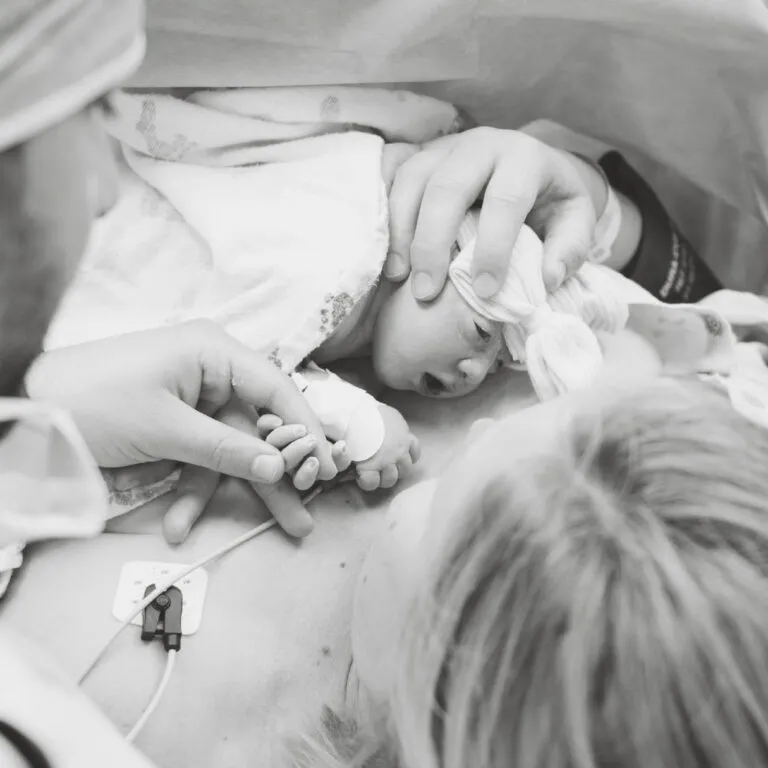
When a baby is placed on the parent’s bare chest, the baby calms down fast. Skin-to-skin contact helps keep the baby warm, slows breathing and heart rate to safer rhythms, and makes breastfeeding easier. Hospitals and midwives recommend this practice as soon as possible after birth because it supports early feeding and bonding. These benefits are simple but powerful, and they matter in every kind of birth.
New parents often worry they must do everything perfectly. But skin-to-skin contact is natural and simple. You do not need special tools. A warm room, a clean towel, and a calm place are enough. Fathers and partners can do skin-to-skin contact too. It helps them bond and can be a quiet, healing time for the whole family.
How skin-to-skin contact helps during hospital stays
In the hospital, skin-to-skin contact can help babies in newborn units, too. For babies who need extra care, kangaroo-style holding can improve oxygen levels and lower stress hormones. This kind of holding can also help milk production and help the baby feed better later. If you are in Dubai and plan for cord care, ask your team about combining early skin-to-skin contact with safe cord collection for umbilical cord blood banking.
What to expect in the first hours and days
Right after birth, the first hour is a special time. If you can, try to have uninterrupted skin-to-skin contact during that hour. Babies often show natural feeding cues and may latch easily while they are warm and calm on your chest. If a baby needs extra checks, ask the staff to try to keep at least short periods of skin-to-skin contact as soon as possible. These moments build confidence and calm for both parent and baby.
Simple steps to do skin-to-skin contact at home
Find a quiet place and sit back with good support for your shoulders. Take off your shirt and put the baby on your bare chest, covering them with a light blanket. Hold them close, keep your voice soft, and breathe slowly. If you are a partner, you can place the baby on your chest too. Try to do skin-to-skin connection for at least 30 minutes a day in the early weeks. The more you do it, the more both of you will relax and learn each other’s cues.
Skin-to-skin contact and emotional health
Skin-to-skin contact does more than help with feeding and temperature. It helps the brain make bonding hormones like oxytocin. For many parents, these quiet moments ease worry and create confidence. If you feel low or overwhelmed in the fourth trimester, remember that small things like skin-to-skin connection and short walks can help. Talk to a health worker if hard feelings last.
The fourth trimester: what it really means
The phrase fourth trimester refers to the first 12 weeks after birth. This time is about both baby and parent healing and learning. Babies are adjusting from the womb to the world, and parents are learning care routines and sleep changes. The fourth trimester is a time to ask for help, rest when possible, and keep simple routines like skin-to-skin connection to give the baby comfort and closeness.
Sleep, soothing, and the role of white noise
Many parents use white noise to help babies sleep. Babies are used to constant noise in the womb. It can mimic that sound and help a baby fall asleep faster and stay calm when the house is noisy. Use white noise at safe volumes and not too close to the baby’s head. White noise can be helpful, but it is best to balance it with natural calming methods like holding and a skin-to-skin connection.
When white noise helps and when to be careful
It is a tool, not a fix. It can be great for short naps or noisy homes, but some babies become used to it and may sleep less well without it. Keep the volume low and use continuous sound rather than loud bursts. If you worry about hearing or dependence, ask your pediatrician. Combine white noise with routines like feeding, cuddling, and skin-to-skin connection to make sleep feel safe and regular.
Cord blood: a short and simple explanation
Umbilical cord blood banking stores stem cells from the baby’s cord blood and tissue. These cells can be used in certain medical treatments later in life. If you plan to save cord blood, discuss the steps with your medical team early so that collection does not interrupt skin-to-skin connection and early bonding.

How to combine cord blood collection with skin-to-skin connection
Good teams know how to collect cord blood without stopping the early skin-to-skin connection. After the baby is settled on the chest, the cord can be clamped, and a trained person collects the blood. Talk with your hospital and your cord bank so everyone knows your wishes. In Dubai, Smart Cells offers clear steps and support to help families store cord blood while keeping early bonding a priority.
Here is everything you need to know about umbilical cord blood banking:
Breastfeeding, bonding, and skin-to-skin connection
Breastfeeding and skin-to-skin connection work together. When a baby is close to the mother’s chest, natural feeding cues appear. Babies may root and latch with less stress. This closeness supports milk flow and helps both mother and baby feel safe. If feeding is hard at first, short sessions of skin to skin connection can help build the pattern and lower anxiety for both of you.
Dads, partners, and skin-to-skin connection
Partners matter a lot. Fathers or other caregivers who do skin-to-skin contact can help soothe the baby and build an early bond. This time supports the emotional health of the whole family. If the mother needs rest or medical care, partners doing skin-to-skin connection keep the baby calm and help share the early caregiving.
Skin-to-skin connection with preterm or small babies
For babies born early or small, skin-to-skin connection is often called kangaroo care. It can help stabilize breathing and temperature and may reduce time in the hospital. When preterm babies are in a neonatal unit, trained staff help parents do skin-to-skin connection safely. These practices are backed by research and are simple ways parents can help fragile babies.
Practical tips for the first month
Keep routines simple. Try short blocks of skin-to-skin connection after feeds, before naps, and when baby seems unsettled. Stay hydrated and accept offers of help. If you plan to use umbilical cord blood banking, sign the forms and let the team know early. Small choices, like putting a soft blanket over the baby on your chest, help both of you relax and sleep better.
When to ask for help
If the baby will not feed, looks very sleepy, or is very hard to wake, call your health provider. If you feel stuck or sad for more than two weeks in the fourth trimester, ask for support. Skin-to-skin connection helps, but it is not a replacement for medical care or emotional support. Reach out to your midwife, pediatrician, or a trusted clinic.
Choosing a cord blood bank in Dubai
When choosing a cord blood bank, look for clear steps, good lab standards, and a team that supports early bonding and skin-to-skin connection. Ask how they collect the sample, where they store it, and how you can access it later. Smart Cells in the UAE explains their process and aims to support parents with both collection and family-centered care.
Practical checklist for birth and the first week
Pack items for the hospital: a loose top for skin-to-skin connection, the cord banking consent forms, a quiet scarf or blanket, and contact numbers for your team. Talk to staff on arrival about your wish for an early skin-to-skin connection and cord blood collection. Clear plans reduce stress and help you focus on the new baby and simple moments of connection.
A final note to new parents
The first months are full of change. Try not to measure yourself by others’ stories. Small, steady things like skin-to-skin connection, soft routines, and clear plans for cord blood can help you feel safe and ready. You are learning, and each calm moment builds trust. Reach out when you need help and enjoy the quiet heartbeats and small breaths close to your chest.
References:
https://my.clevelandclinic.org/health/treatments/12578-kangaroo-care?utm_source=
https://pmc.ncbi.nlm.nih.gov/articles/PMC9584102/?utm_source=
https://pubmed.ncbi.nlm.nih.gov/2405784
https://pmc.ncbi.nlm.nih.gov/articles/PMC9490714/?utm_source=
Rate this article: